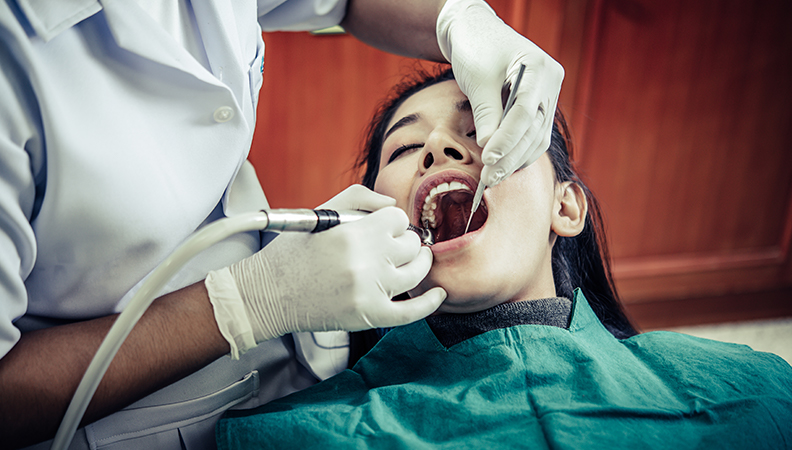
Bruxism, commonly known as teeth grinding or jaw clenching, can have various causes. It often results from psychological factors such as stress, anxiety, or tension, leading individuals to unconsciously grind their teeth as a coping mechanism. It can also be a response to misaligned teeth or an abnormal bite, where the teeth do not come together properly. Lifestyle factors like excessive alcohol consumption, caffeine intake, or smoking can exacerbate bruxism. Additionally, certain medications or medical conditions such as sleep disorders like sleep apnea or Parkinson’s disease can contribute to teeth grinding. Identifying and addressing the underlying cause is crucial in managing and preventing bruxism effectively.
Bruxism, often occurring during sleep, can become habitual and is commonly associated with: